Stop & Shop
4.25.19KReviews
Analysis ByAppCompare
Grocery shopping is one of those chores where a small amount of planning can save a surprising amount of time. I tested Stop & Shop as a companion for that routine, and I found it most useful when I treated it as a planning tool rather than simply a digital version of a supermarket sign. The app brings shopping information, savings opportunities, and meal inspiration together in one place, which makes it easier to prepare before leaving home and stay focused once I am in the store.
Stop & Shop is a free shopping app from The Stop & Shop Supermarket Company LLC. It is available for Everyone and has built a substantial audience, with more than a million installs and a 4.2 average from roughly sixteen thousand ratings. Those figures suggest a mature, regularly used service rather than a niche experiment. The current release is version 9.3.1, and it runs on devices using iOS or Android requirements beginning with version 8.1.
How I use it for a normal grocery trip
My preferred workflow starts before I think about aisles. I open the app while deciding what meals I want for the next few days, then use the available shopping information to turn that loose plan into a practical trip. This is a better fit for the app than opening it at the checkout and expecting it to rescue an unplanned shop. The more clearly I know what I need, the more value I get from having the supermarket’s tools in one place.
A realistic example is a weekday dinner plan. If I know I want to make pasta, vegetables, and a simple breakfast for the next morning, I can use the app to think through those items before I leave. That preparation helps me avoid the familiar pattern of wandering through the store, remembering ingredients one at a time, and adding unnecessary products simply because I am hungry or distracted.
The app also makes sense for a larger weekly shop. I can check the current shopping information, consider meal ideas, and make decisions at home instead of standing in a busy aisle with one hand on a basket. That is where the promise of saving time feels most realistic: not because every task becomes instant, but because fewer decisions need to be made in the store.
The most effective habit is to use Stop & Shop before the trip, not only during it. A few minutes of preparation gives the app a clear job. I use it to narrow my choices, review possible savings, and remember the ingredients that are easy to overlook. Once I am shopping, I am less likely to browse aimlessly or make a second trip for something I forgot.
Where the app fits better than a paper list
A paper list is still perfectly adequate for a short, predictable shop, and I would not install an app just to replace three handwritten items. Stop & Shop becomes more useful when the trip involves several meals, changing priorities, or a need to compare what is worth buying. The digital format is easier to adjust when I decide to swap one dinner for another or remove an item that no longer fits my budget.
It is also more helpful when meal inspiration matters. A basic notes app can store a list, but it does not naturally connect that list with the supermarket’s own shopping environment. Stop & Shop gives me a reason to browse before I shop, which can be useful when I know I need food but have not decided exactly what to cook.
That convenience has a trade-off. Browsing for ideas can encourage extra shopping, especially when I open the app without a budget or a rough meal plan. I get better results when I decide on a spending limit and a few core meals first. The app can support discipline, but it cannot create discipline on my behalf.
Settings and preparation that deserve attention
I recommend checking the app’s account and shopping preferences during the first session instead of rushing straight into a store visit. The useful settings are the ones that reduce repeated work: making sure the correct shopping context is selected, keeping account details current, and reviewing how the app presents shopping information. Small setup choices matter because an app used for recurring grocery trips should feel predictable every time it opens.
Notifications are another area worth handling deliberately. I prefer alerts that help me remember a planned task, while unnecessary interruptions quickly make a shopping app feel noisy. If the app offers notification controls on the device, I would review them after installation and keep only what supports my routine. This is especially important for people who shop on a fixed day and do not need constant reminders.
Before relying on the app in a store, I would also sign in and explore the main screens over a home Wi-Fi connection. That gives me time to understand where shopping information and meal inspiration appear, rather than learning the layout while pushing a trolley. It is a simple preparation step, but it avoids the frustration of trying to remember an account detail or navigate unfamiliar screens in a crowded store.
My other practical suggestion is to keep the app updated when possible. The current version is 9.3.1, and using the current release is generally the sensible way to receive the app as its developer intends. I would still avoid treating an update as a guarantee that every phone will behave identically. Screen size, operating system version, connectivity, and account state can all affect how comfortable the experience feels.
Repeatable patterns that make shopping quicker
Experienced use is less about tapping quickly and more about repeating the same sequence. I start with meals, move to ingredients, review the shopping information, and only then head to the store. That order prevents the app from becoming an endless browsing session. It also makes it easier to notice whether a suggested purchase actually belongs in my week or is merely tempting.
For a short trip, I use a narrow goal: one meal, a few staples, or a specific restock. For a weekly trip, I separate essential items from optional ideas in my own planning. This distinction is valuable because shopping inspiration can be enjoyable, but it should not obscure the products I genuinely need. The app works best when I bring a clear priority system to it.
Another useful pattern is reviewing the app at two different times. The first review happens at home, when I can think calmly about meals and expenses. The second happens shortly before shopping, when I can confirm that my plan still makes sense. This two-stage approach is more reliable than trying to build the entire trip in the car park or relying on memory after a busy day.
Families can benefit from a shared routine, although the app is not a replacement for communication. I would decide who is responsible for checking the shopping plan and who is responsible for remembering household preferences. That avoids duplicate purchases and reduces the common problem of two people assuming the other person handled an item.
For people who shop for one, the best shortcut is restraint. Meal inspiration is helpful when I am tired of cooking the same food, but buying every interesting suggestion can create waste. I use ideas as a starting point, then select recipes or products that overlap with ingredients I already expect to use. That makes the app more practical and keeps the shopping trip from becoming a collection of disconnected experiments.
Using savings without letting them control the trip
Saving money is one of the main reasons to consider this app, but I think savings should be evaluated against the whole basket. A promoted product is not automatically a bargain if it replaces something I would have bought more cheaply or causes me to purchase an item I did not need. I look at savings information as a prompt to compare, not as an instruction to buy.
This is where the app has an advantage over a simple paper list. The shopping context and savings information can be considered together, so I can adjust my plan before reaching the checkout. If an option fits a meal I already intended to make, it has a clear benefit. If it requires buying several unrelated ingredients, the apparent saving may be less meaningful.
I also find that planning around flexible meals works better than planning around one exact product. If I know I want a quick dinner, I can consider the available options and choose a practical combination rather than becoming frustrated when one specific item does not suit my plan. This approach makes the app useful without pretending that every shopping trip will follow a perfect script.
Limits that matter before you depend on it
Stop & Shop is not a universal grocery assistant. Its strongest value comes from shopping within the Stop & Shop environment, so people who regularly divide their grocery trips among several supermarkets may prefer a general list or comparison tool as their main system. I would still use this app for Stop & Shop planning, but I would not expect it to organize every retailer in my routine.
The experience also depends on having a reasonably stable connection and being comfortable with a digital account-based workflow. A handwritten list is faster when I need only a few familiar items, and it does not compete for battery life or attention. If I dislike signing in, browsing promotions, or managing shopping information on a phone, the app may feel like extra administration rather than a convenience.
There is also a difference between discovering meal inspiration and receiving a fully personalized meal plan. I see the app as a source of ideas that I still need to judge against my household, schedule, cooking ability, and budget. Someone looking for detailed nutrition tracking, extensive recipe management, or a cross-store pantry system may be better served by a dedicated app designed for those specific tasks.
Performance expectations should remain realistic as well. The app can help organize a trip, but it cannot remove supermarket crowds, product substitutions, or the need to make decisions at the shelf. Its role is preparation and guidance. When I expect it to do those jobs, it feels useful; when I expect it to automate the entire shopping experience, its limits become more noticeable.
Who should install it?
I would recommend Stop & Shop to regular customers who want one place for planning, savings-related shopping information, and meal ideas. It is particularly suitable for people who make a weekly list, want to reduce forgotten ingredients, or enjoy deciding on meals before visiting the store. The free price also makes it easy to try without turning the decision into a financial commitment.
It is a good match for a busy household that needs a repeatable routine. One person can review the plan at home, adjust it when schedules change, and use the app as a reference during the trip. It can also help someone who is learning to plan meals because it provides a practical starting point inside the supermarket’s own shopping context.
I would be more cautious about recommending it to someone who shops impulsively and finds promotional browsing distracting. I would also suggest a different primary tool for people who need one master list across multiple grocery chains, detailed pantry inventory, or advanced dietary planning. Stop & Shop is focused, and that focus is useful only if the store is already central to your shopping routine.
My verdict after building a routine around it
Stop & Shop succeeds when I use it as part of a habit: plan at home, check the relevant shopping information, gather meal ideas selectively, and enter the store with a clear purpose. It is less impressive when opened without a plan, because browsing can take over and the benefits become harder to measure. The app does not eliminate the work of grocery shopping, but it can move much of that work to a calmer moment.
The developer, The Stop & Shop Supermarket Company LLC, has made a focused shopping companion rather than an all-purpose food-management platform. That focus gives it a practical advantage for the store’s regular customers, while also defining its limits for people who want a retailer-neutral system. I appreciate that distinction because it makes the choice straightforward.
With an Everyone age rating, a free download, and a current version that supports devices from iOS or Android 8.1 onward, it is accessible to a broad range of shoppers. My final recommendation is simple: install it if Stop & Shop is where you regularly buy groceries and you are willing to spend a few minutes planning. Used with a repeatable routine, it is more valuable as a decision-making aid than as a last-minute shopping shortcut. That is the difference between merely having the app and actually getting useful results from it.
FAQ
What is the Stop & Shop app used for?
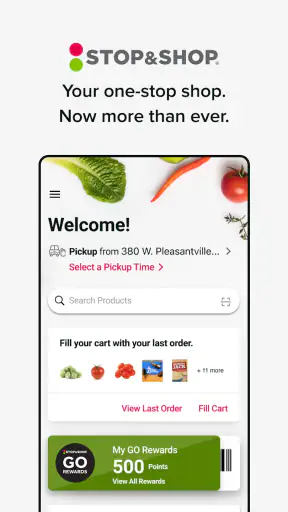
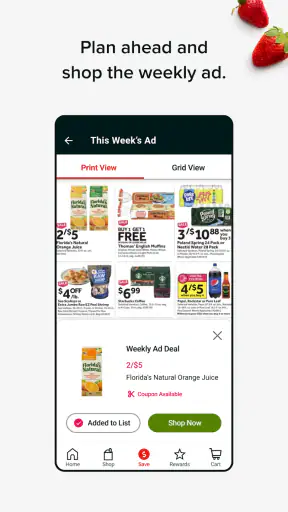
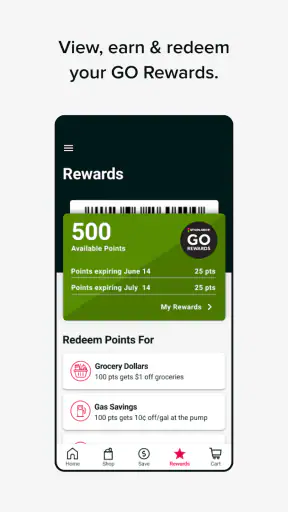
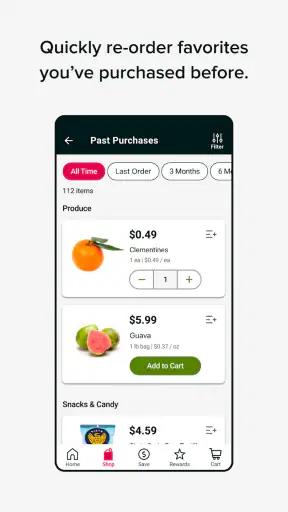
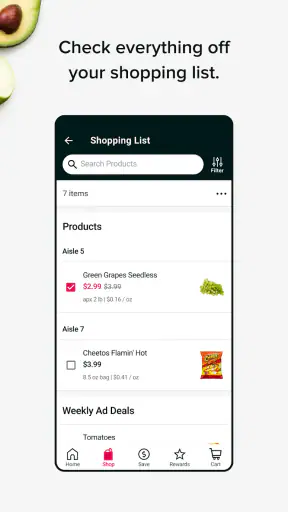
The Stop & Shop app is designed to make grocery shopping more convenient. After signing in, you can browse products, search for nearby stores, view weekly deals, manage digital coupons, create shopping lists, and place eligible pickup or delivery orders. It also connects with your loyalty account, helping you access personalized savings and digital rewards while shopping in-store or online.
Do I need a Stop & Shop account to use the app?
You can usually browse stores, products, and some promotions without creating an account, but registration is recommended for the full experience. An account lets you link your loyalty card, save shopping lists, clip digital coupons, review eligible purchase activity, and manage pickup or delivery orders. You may need to provide an email address and basic personal information during sign-up.
Can I use digital coupons and loyalty savings through the app?
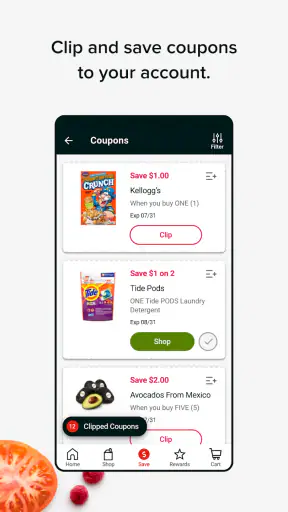
Yes, the app supports digital coupons and loyalty-related savings for eligible Stop & Shop customers. Once your loyalty account is connected, you can browse available offers, select coupons, and apply them according to their terms. It is important to check expiration dates, product restrictions, minimum purchase requirements, and whether an offer is valid online, in-store, or both.
Does Stop & Shop offer grocery pickup and delivery in the app?
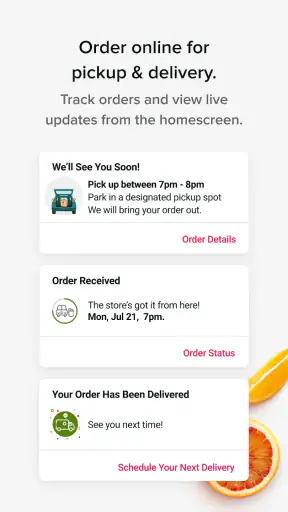
Pickup and delivery availability depends on your location, store inventory, and the service options offered in your area. The app allows you to enter a ZIP code or select a store, add eligible groceries to your cart, and choose an available fulfillment time. Fees, order minimums, substitutions, delivery areas, and time-slot availability may vary.
Is the Stop & Shop app free and safe to download?
The official Stop & Shop app is generally free to download from the Google Play Store or Apple App Store. As with any shopping app, download it only from the verified publisher listing and keep your device and app updated. The application may request account, location, payment, and notification permissions, so review its privacy settings before placing orders or enabling personalized features.
Pros
- Easy access to weekly deals and digital coupons.
- Convenient grocery ordering for pickup or delivery.
- Loyalty rewards can help reduce shopping costs.
- Store locations and opening hours are easy to find.
- Shopping lists make it easier to organize grocery trips.
Cons
- Some features may require a registered loyalty account.
- Delivery availability and fees vary by location.
- App performance can depend on internet connection quality.
- Digital coupons may have exclusions and expiration dates.
- Product availability may not always match your selected store.